Making Design Leadership Legible
Context
Microsoft was navigating one of the more consequential identity shifts in its history. The company that designers had spent a decade ignoring — or actively working around — was attempting to reposition itself as a design-led organization. The cultural gap was real. Apple had claimed the creative professional. The design community had taken sides.
Microsoft's internal shift was genuine. Leadership had begun investing seriously in design thinking, inclusive design practice, and the talent to back it. The problem was not the substance. The problem was that no one outside the company believed it.
Winning the design community required more than announcements. It required presence, consistency, and demonstrated fluency in how designers actually think.
Microsoft's internal shift was genuine. Leadership had begun investing seriously in design thinking, inclusive design practice, and the talent to back it. The problem was not the substance. The problem was that no one outside the company believed it.
Winning the design community required more than announcements. It required presence, consistency, and demonstrated fluency in how designers actually think.
Situation
The core tension: Microsoft had a credibility gap, not a capability gap. The company's design work was real. Its investment in inclusive design was substantive. But existing perception — shaped by years of adversarial positioning against Apple and a product culture the creative community had largely dismissed — meant that straightforward promotion would be met with skepticism.
The goal was not to convince designers that Microsoft was cool. The goal was to make Microsoft legible to the design community on the design community's own terms: through ideas, through discourse, through demonstrated understanding of what the discipline actually cares about.
Success would look like earned presence, not purchased attention. Coverage in publications that don't accept press releases. Partnership with institutions that don't endorse lightly. Share of voice in conversations Microsoft had not previously been part of.
The goal was not to convince designers that Microsoft was cool. The goal was to make Microsoft legible to the design community on the design community's own terms: through ideas, through discourse, through demonstrated understanding of what the discipline actually cares about.
Success would look like earned presence, not purchased attention. Coverage in publications that don't accept press releases. Partnership with institutions that don't endorse lightly. Share of voice in conversations Microsoft had not previously been part of.

Constraints
CROWN served as Microsoft Design's first and only agency of record for three years. Scope included content strategy, editorial direction, social channel management, executive communications, influencer program development, event facilitation, and the launch and growth of a dedicated Medium publication.
Channels launched from near-zero. One exception: 92,000 followers migrated from a sunset Microsoft product channel CROWN had helped build previously. Everything else was built.
The work operated at the intersection of brand, PR, and community — without a clear institutional home in any of the three. Decisions about what Microsoft would say publicly, and in whose voice, carried real reputational weight. Coordination across design leadership, product teams, communications, and external partners required consistent alignment.
The constraint that shaped the work most: organic credibility cannot be manufactured. It can only be earned incrementally, through consistent judgment over time.
Channels launched from near-zero. One exception: 92,000 followers migrated from a sunset Microsoft product channel CROWN had helped build previously. Everything else was built.
The work operated at the intersection of brand, PR, and community — without a clear institutional home in any of the three. Decisions about what Microsoft would say publicly, and in whose voice, carried real reputational weight. Coordination across design leadership, product teams, communications, and external partners required consistent alignment.
The constraint that shaped the work most: organic credibility cannot be manufactured. It can only be earned incrementally, through consistent judgment over time.
Decisions
The central strategic decision was to reject promotional content as the primary mode. Most brand social at the time was broadcast. Companies announced things. Microsoft Design chose a different posture: curation and contribution.
The operating principle was to monitor conversations already happening — across LinkedIn, Medium, design publications, and broader media including WIRED and Fast Company — and to add something when we entered them. Not just sharing an architecture story, but connecting it to interaction design. Not just amplifying an inclusive design paper, but situating it within a broader movement. The value proposition to the audience was not "here is what Microsoft is doing." It was "here is something worth thinking about, and here is a perspective you might not have considered."
This approach had a tradeoff. It was slower to attribute directly to Microsoft's reputation. It required restraint — specifically the restraint not to center Microsoft in every post. The bet was that demonstrated intelligence, sustained over time, would do more for perception than any campaign.
A parallel decision: lead with inclusive design before it became a widely adopted framework. At the time, it was a genuine edge. The Helen Hamlyn Centre at the Royal College of Art, RISD, MIG Inc., and Urban Play were doing foundational work. Aligning Microsoft Design with these institutions was not sponsorship. It was intellectual positioning.
A third decision: invest in the people, not just the brand. Ghostwriting for design leaders across the Microsoft org, facilitating speaking appearances at SXSW alongside Pantone, at Seattle Interactive Conference alongside IDEO and Frog Design, and at the Montreal Film Festival alongside 20th Century Studios and Matt Damon — all were expressions of the same logic. Credibility transfers through people more reliably than through brand accounts.
The operating principle was to monitor conversations already happening — across LinkedIn, Medium, design publications, and broader media including WIRED and Fast Company — and to add something when we entered them. Not just sharing an architecture story, but connecting it to interaction design. Not just amplifying an inclusive design paper, but situating it within a broader movement. The value proposition to the audience was not "here is what Microsoft is doing." It was "here is something worth thinking about, and here is a perspective you might not have considered."
This approach had a tradeoff. It was slower to attribute directly to Microsoft's reputation. It required restraint — specifically the restraint not to center Microsoft in every post. The bet was that demonstrated intelligence, sustained over time, would do more for perception than any campaign.
A parallel decision: lead with inclusive design before it became a widely adopted framework. At the time, it was a genuine edge. The Helen Hamlyn Centre at the Royal College of Art, RISD, MIG Inc., and Urban Play were doing foundational work. Aligning Microsoft Design with these institutions was not sponsorship. It was intellectual positioning.
A third decision: invest in the people, not just the brand. Ghostwriting for design leaders across the Microsoft org, facilitating speaking appearances at SXSW alongside Pantone, at Seattle Interactive Conference alongside IDEO and Frog Design, and at the Montreal Film Festival alongside 20th Century Studios and Matt Damon — all were expressions of the same logic. Credibility transfers through people more reliably than through brand accounts.
Execution
The editorial system that drove the work was built to operate at volume without sacrificing judgment. A real-time content calendar monitored conversations across platforms and publications. The function was not aggregation — it was synthesis. The question before every piece of content: what does Microsoft Design add to this conversation that is not already there?
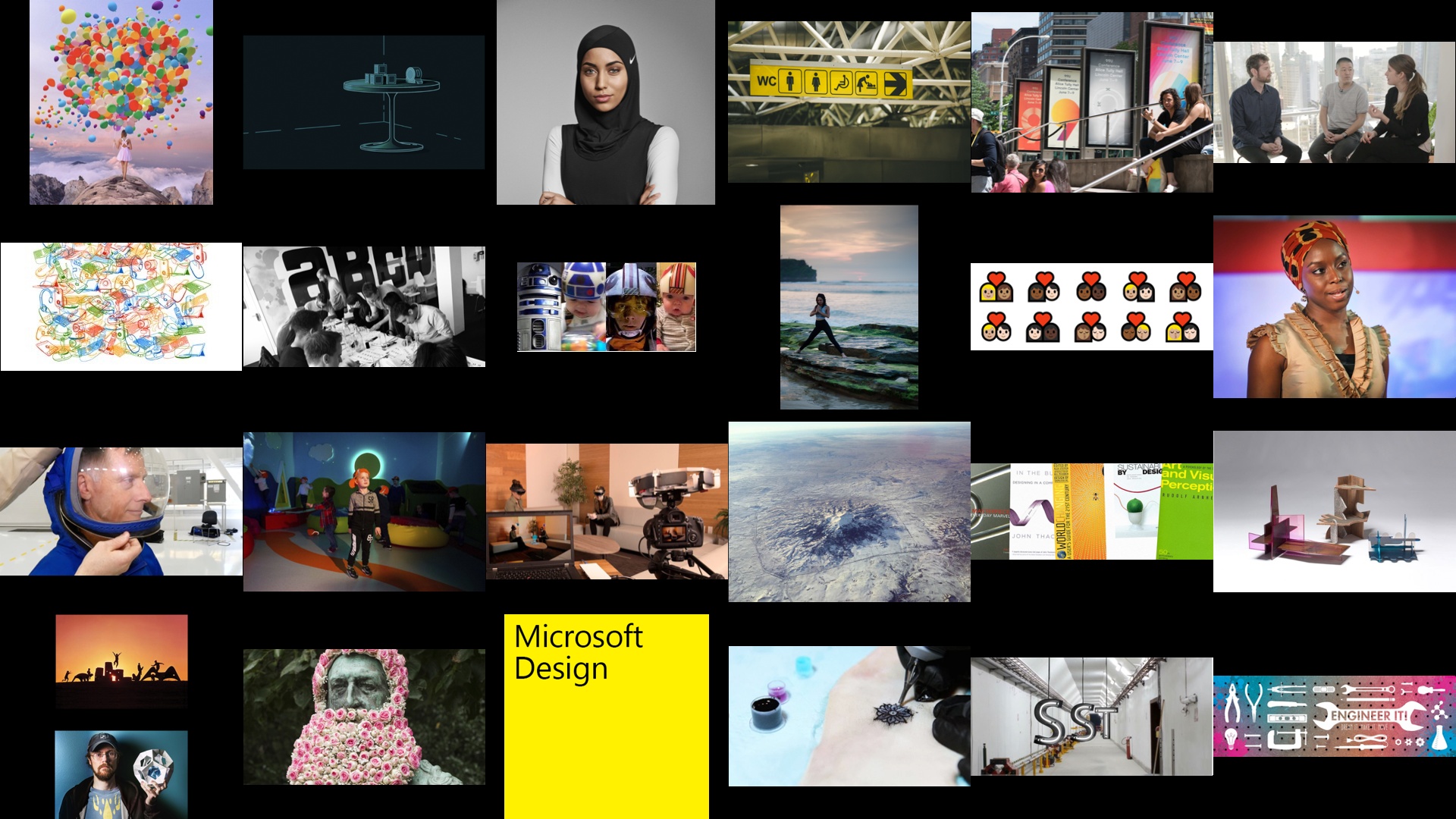
Over three years, that discipline produced a coherent body of work. The Microsoft Design Medium publication became one of the first design-focused editorial properties at scale on the platform. The influencer program — mapping internal voices alongside external voices including Cliff Kuang at Frog Design (515K followers), IDEO (245K followers), and Kara Swisher (1.7M followers) — preceded the formalization of that category as a practice.
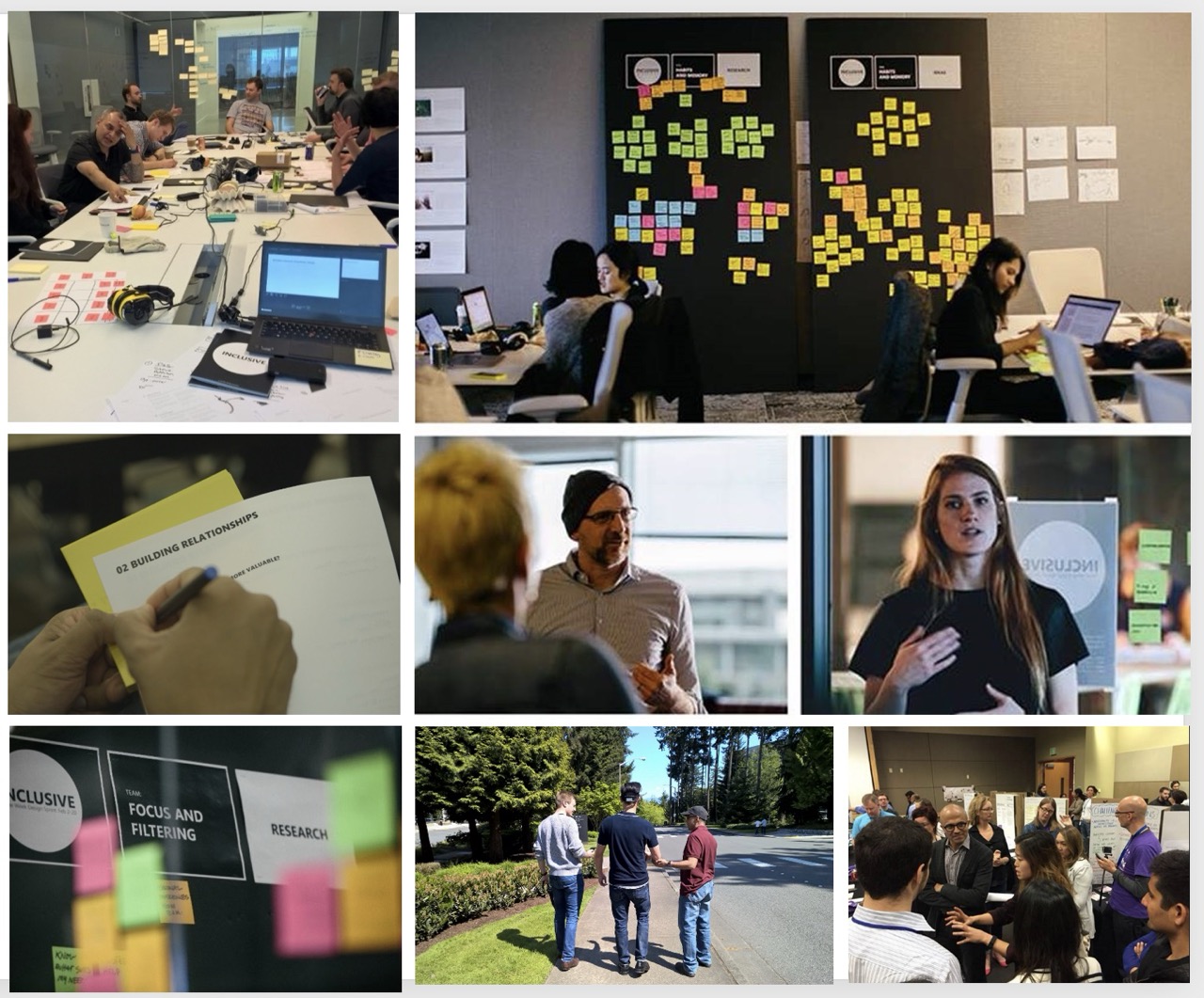
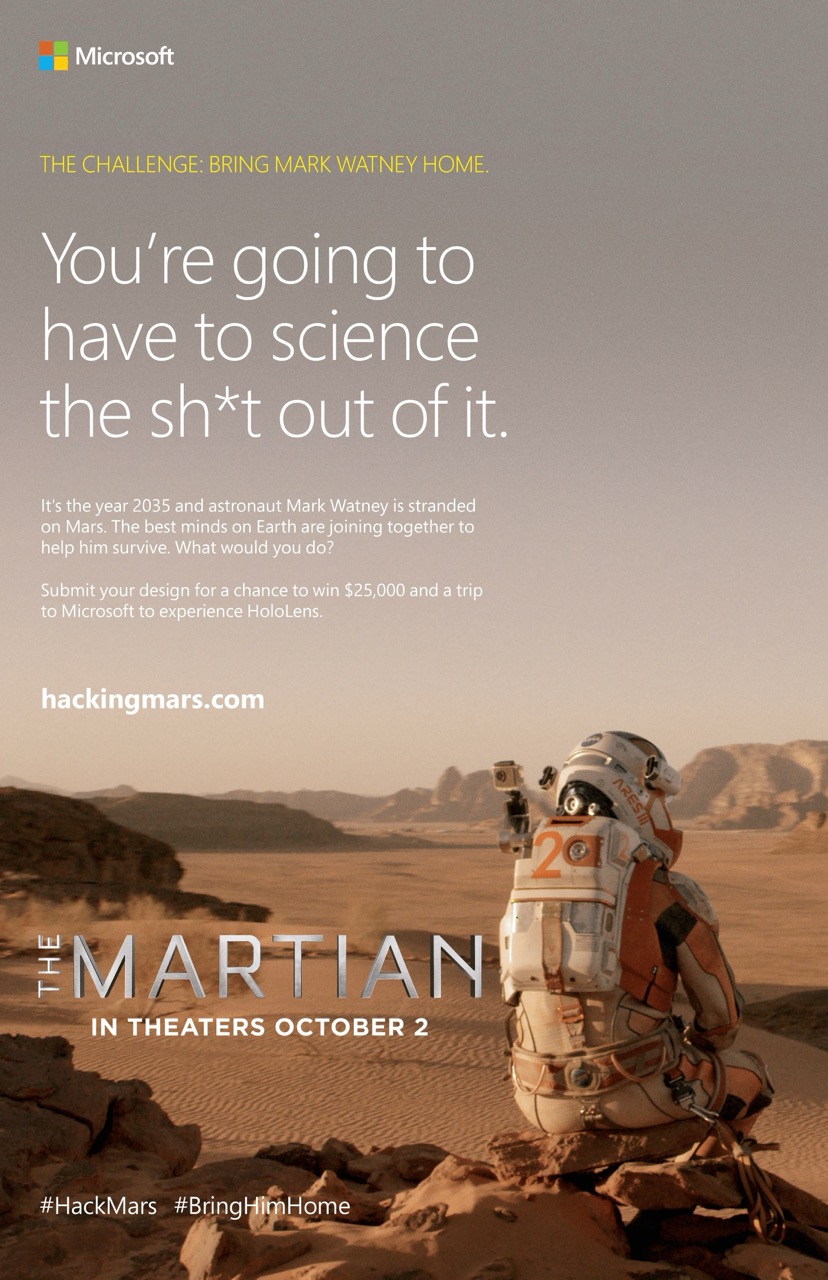
Community programs including design swarms, open workshops, and international contests generated engagement the design community participated in voluntarily. The #HackMars challenge, tied to the film The Martian in partnership with 20th Century Fox, ran alongside live social coverage of the world premiere at TIFF. The Fluent Design System launch gave the community something concrete to examine and build on.
The infrastructure underneath: a purpose-built CRM for influencer and community tracking, monthly competitive analysis against Google Design and others, sentiment analysis, share of voice measurement, and performance reporting by content pillar. The system needed to be governed, not just operated.
Over three years, that discipline produced a coherent body of work. The Microsoft Design Medium publication became one of the first design-focused editorial properties at scale on the platform. The influencer program — mapping internal voices alongside external voices including Cliff Kuang at Frog Design (515K followers), IDEO (245K followers), and Kara Swisher (1.7M followers) — preceded the formalization of that category as a practice.
Community programs including design swarms, open workshops, and international contests generated engagement the design community participated in voluntarily. The #HackMars challenge, tied to the film The Martian in partnership with 20th Century Fox, ran alongside live social coverage of the world premiere at TIFF. The Fluent Design System launch gave the community something concrete to examine and build on.
The infrastructure underneath: a purpose-built CRM for influencer and community tracking, monthly competitive analysis against Google Design and others, sentiment analysis, share of voice measurement, and performance reporting by content pillar. The system needed to be governed, not just operated.
Outcome
The inclusive design positioning — a strategic bet at the start of the engagement — has since become a global movement. The early investment in that frame, and the discipline to stay in it, is what made the eventual recognition meaningful.
Press coverage appeared without press releases driving it:
Fast Company / WIRED / The Verge / Design Week / AmeriDisability
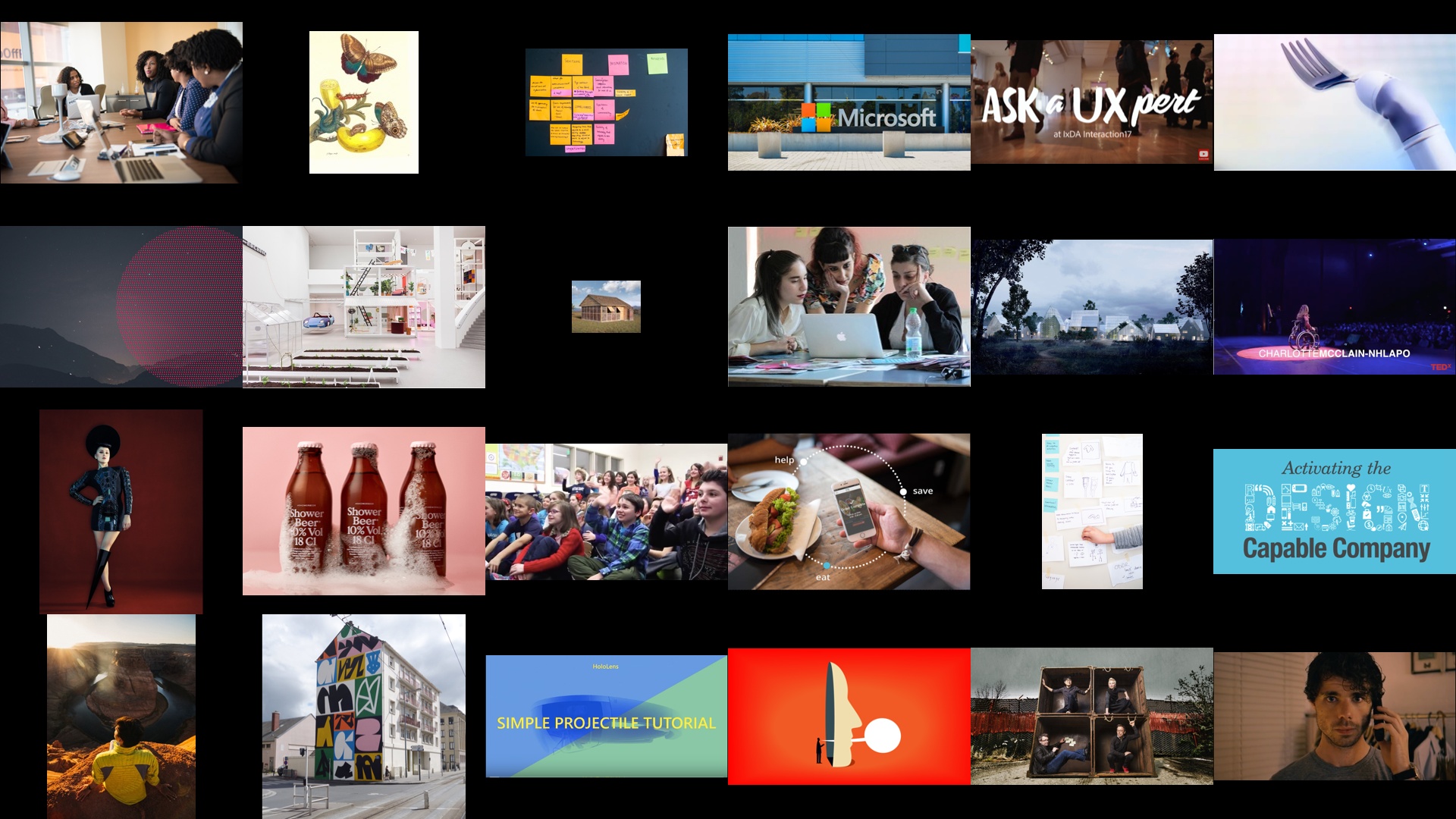
Speaking engagements at SXSW, Seattle Interactive Conference, and Montreal Film Festival placed Microsoft design leadership in conversations alongside organizations the community already respected. The Fluent Design System, launched during this engagement, became the foundation for Microsoft's current visual language across products. The inclusive design toolkit and framework remain live at inclusive.microsoft.design.
Press coverage appeared without press releases driving it:
Fast Company / WIRED / The Verge / Design Week / AmeriDisability
Speaking engagements at SXSW, Seattle Interactive Conference, and Montreal Film Festival placed Microsoft design leadership in conversations alongside organizations the community already respected. The Fluent Design System, launched during this engagement, became the foundation for Microsoft's current visual language across products. The inclusive design toolkit and framework remain live at inclusive.microsoft.design.
Learning
The clearest signal from this work: restraint is a strategy. The instinct in brand social is to center the client. Every piece of content becomes an opportunity to demonstrate relevance. That instinct, followed consistently, produces content the intended audience has learned to ignore.
The design community has a finely calibrated sense for authenticity. What worked was not pretending Microsoft was something it wasn't. It was demonstrating, through the specific choices made in a content calendar, that the people behind the account understood design as a discipline and respected the community enough not to condescend to it.
That kind of editorial judgment cannot be templated. It has to be rebuilt for each audience, each context, each inflection point in a brand's reputation. Share of voice is a lagging indicator. The leading indicator is whether the community finds the presence useful. If that is working, the numbers follow.
The design community has a finely calibrated sense for authenticity. What worked was not pretending Microsoft was something it wasn't. It was demonstrating, through the specific choices made in a content calendar, that the people behind the account understood design as a discipline and respected the community enough not to condescend to it.
That kind of editorial judgment cannot be templated. It has to be rebuilt for each audience, each context, each inflection point in a brand's reputation. Share of voice is a lagging indicator. The leading indicator is whether the community finds the presence useful. If that is working, the numbers follow.