Research and decision materials for Providence’s Puerto Rico response

Providing the strategic framework to transform broad humanitarian intent into focused, measurable interventions, supported by gamified giving mechanics and third-party oversight.


Situation and brief
Crown Social Agency prepared research and decision materials to support Providence’s consideration of recovery work in Puerto Rico. This companion record should show the materials, their intended audience, and how they related to the broader strategy, without presenting recommendations as completed aid outcomes.
Situation
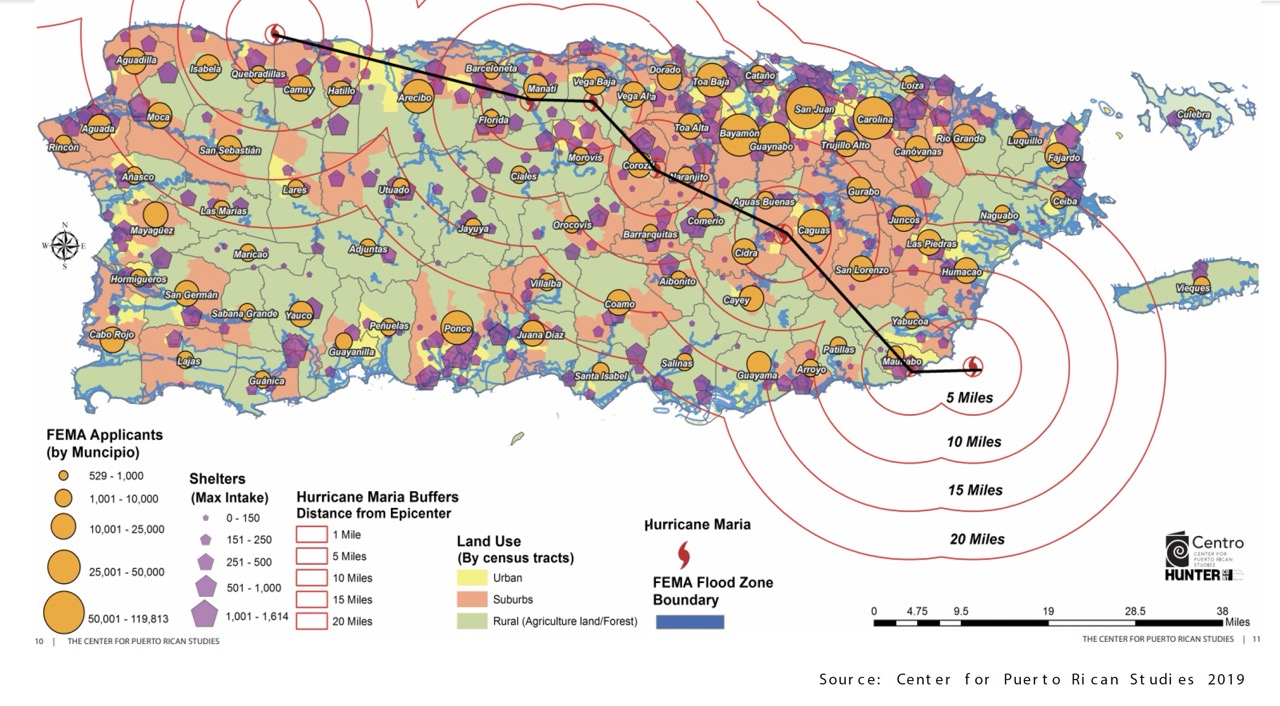
Hurricane Maria was a category 4 hurricane that brought widespread devastation to Puerto Rico in 2017.\nThe total damage is estimated at $139B1. To date, Puerto Rico has received less than $20B in federal aid2.\n40% of applicants for FEMA aid were denied benefits3.
Scope and constraints
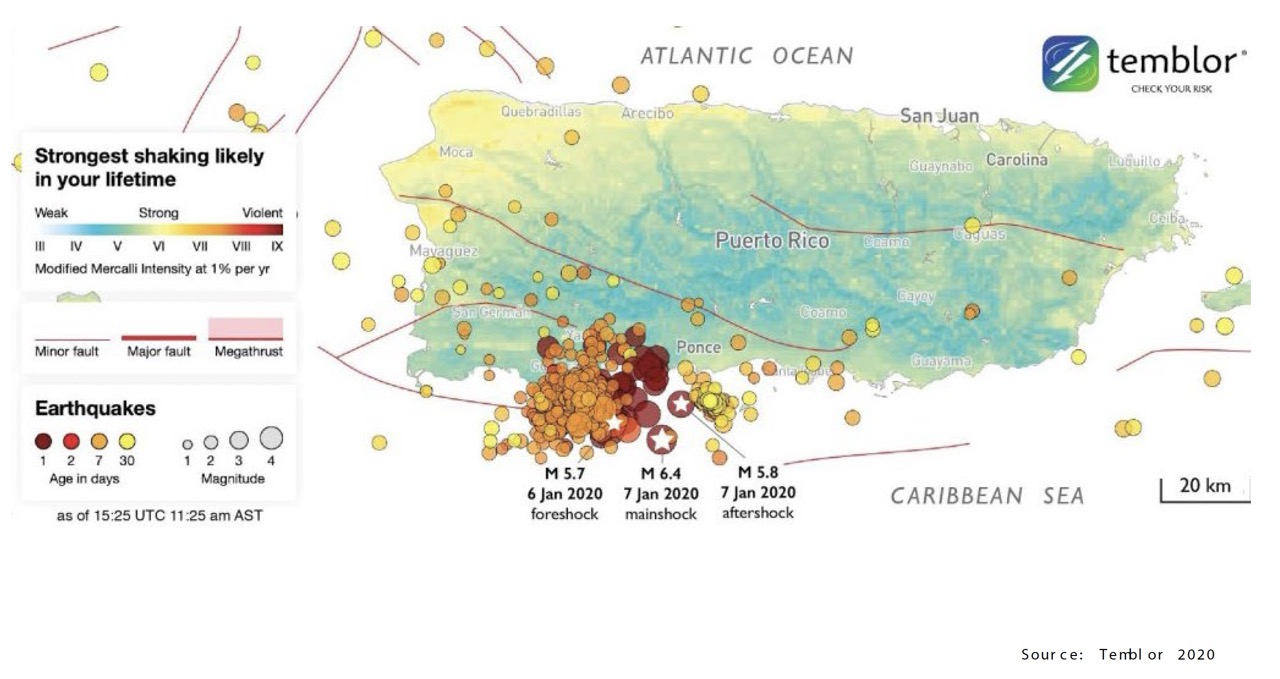
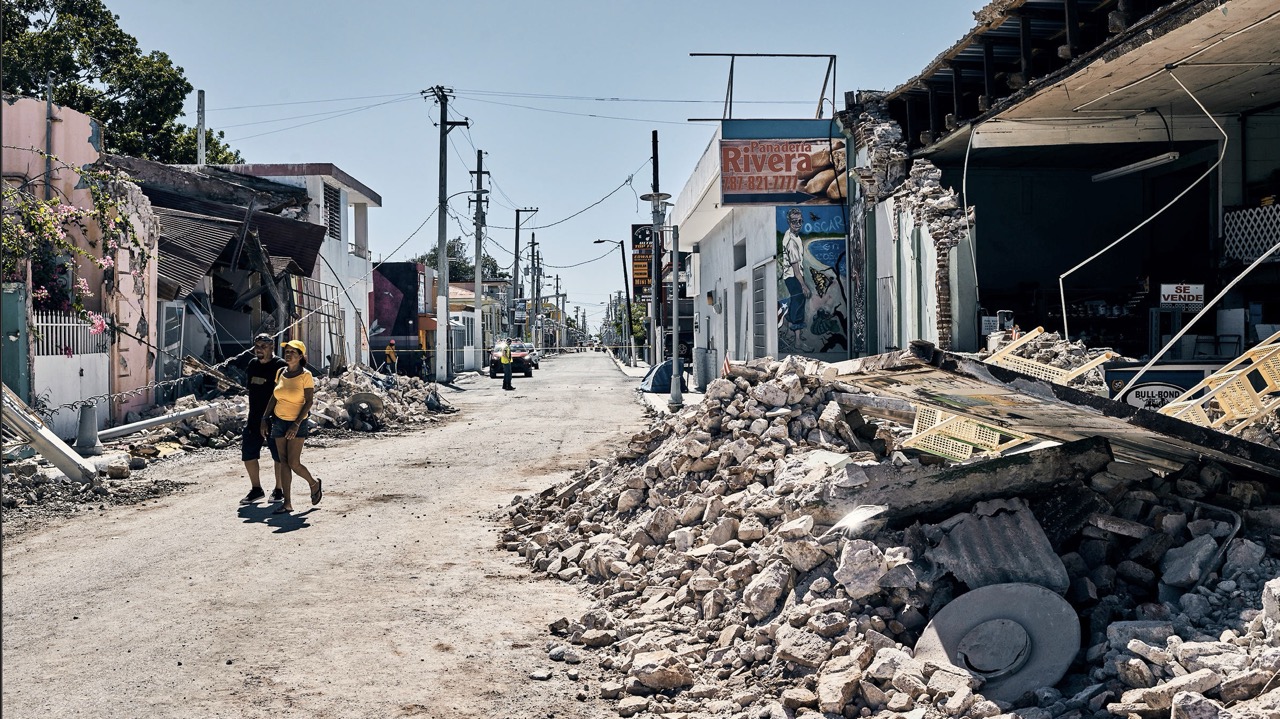
Since late 2019, Puerto Rico has been by over 1,000 earthquakes including a magnitude 6.4 earthquake that rolled the island1. These earthquakes have put additional strain on Puerto Rico’s already shaky infrastructure and displaced thousands of Puerto Rican families2as the homes they live in have been either destroyed or deemed unsafe to live in.
Decisions
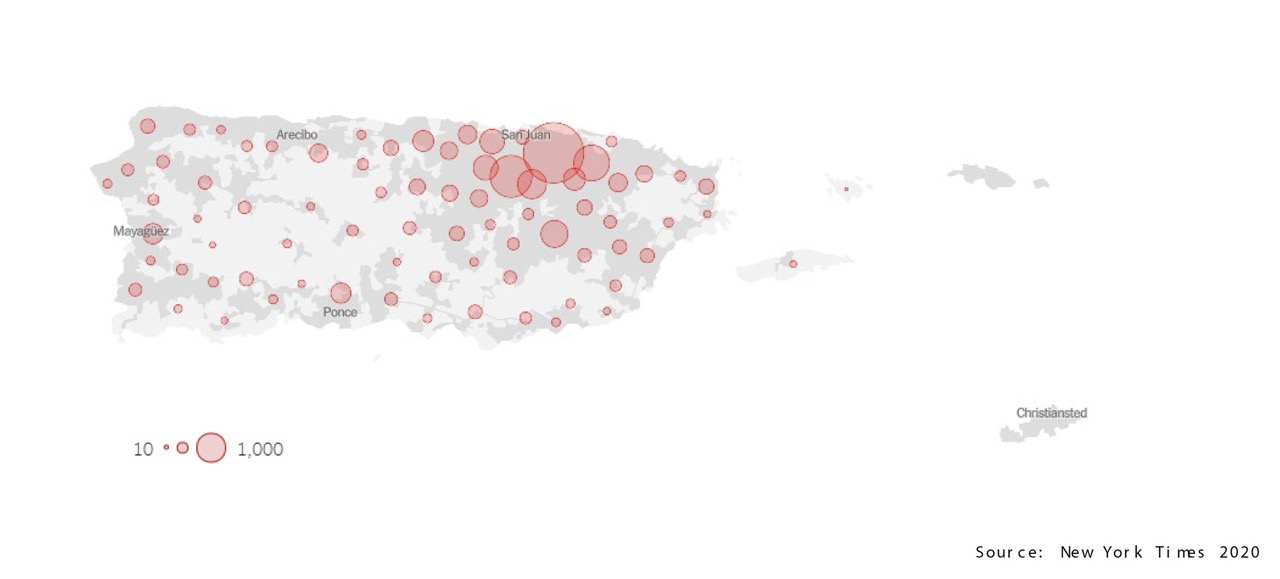
Coronavirus is the latest disaster to hit the island. Like many nations, Puerto Rico was impacted by a lack of PPE and ICU bed shortages. Due to these issues, the governor implemented some of the strictest restrictions in the world, resulting in an infection rate of only 1%1. However, post-reopening in July, that rate has risen sharply leaving Puerto Rico in a vulnerable position as hurricane season approaches.\n/ 2020
Work produced
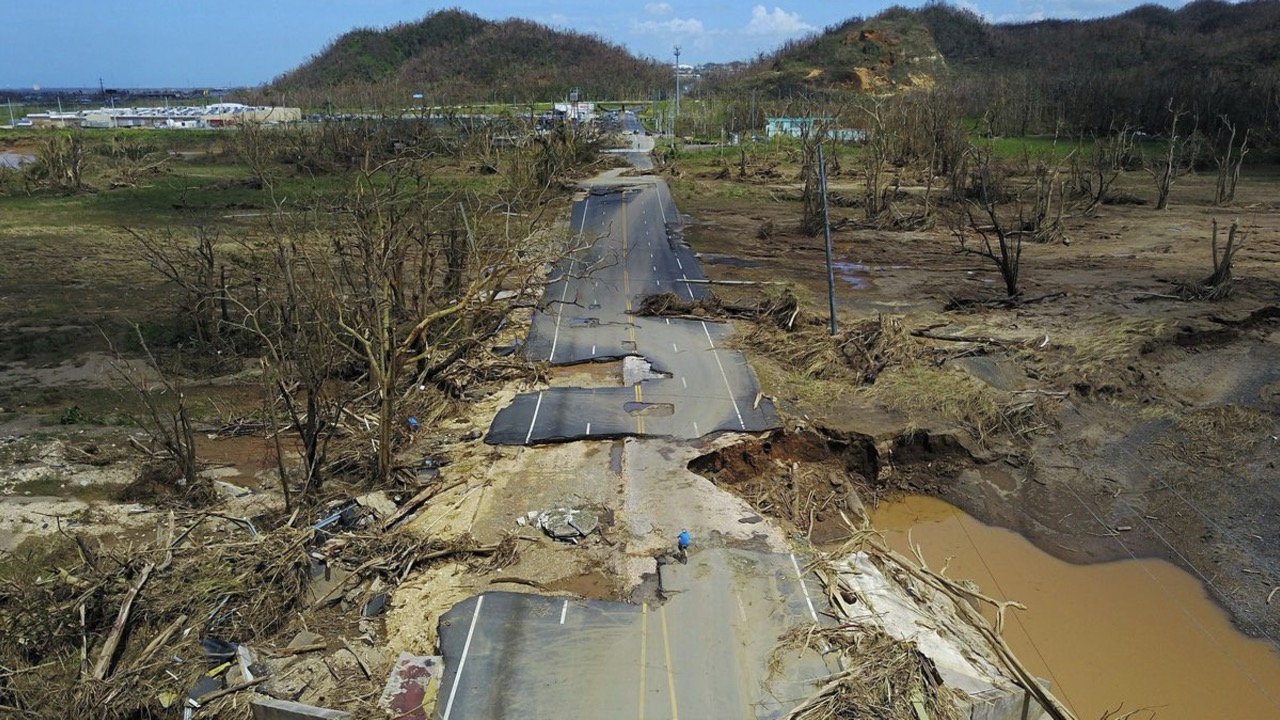
Hurricane Maria effectively wiped out Puerto Rico’s power grid leaving 95% of the island without power, 60% without cell service and half of the island without running water1. The hurricane also destroyed portions of the majority ofthe island’s arterial roadways, leaving just 392 of the island’s more than 5,000 miles roads open.\nApproximately 90% of the island’s nearly 1.23M households asked for relief and housing assistance from FEMA immediately after Hurricane Maria, many citing significant structural damage. 40% of FEMA applications were denied.3\nThough substantial progress was made post Maria, the earthquake superswarmreversed much of that progress. The island continues to see rolling blackouts, closed bridges and roads, and issues with access to potable water.
Evidence and measurement
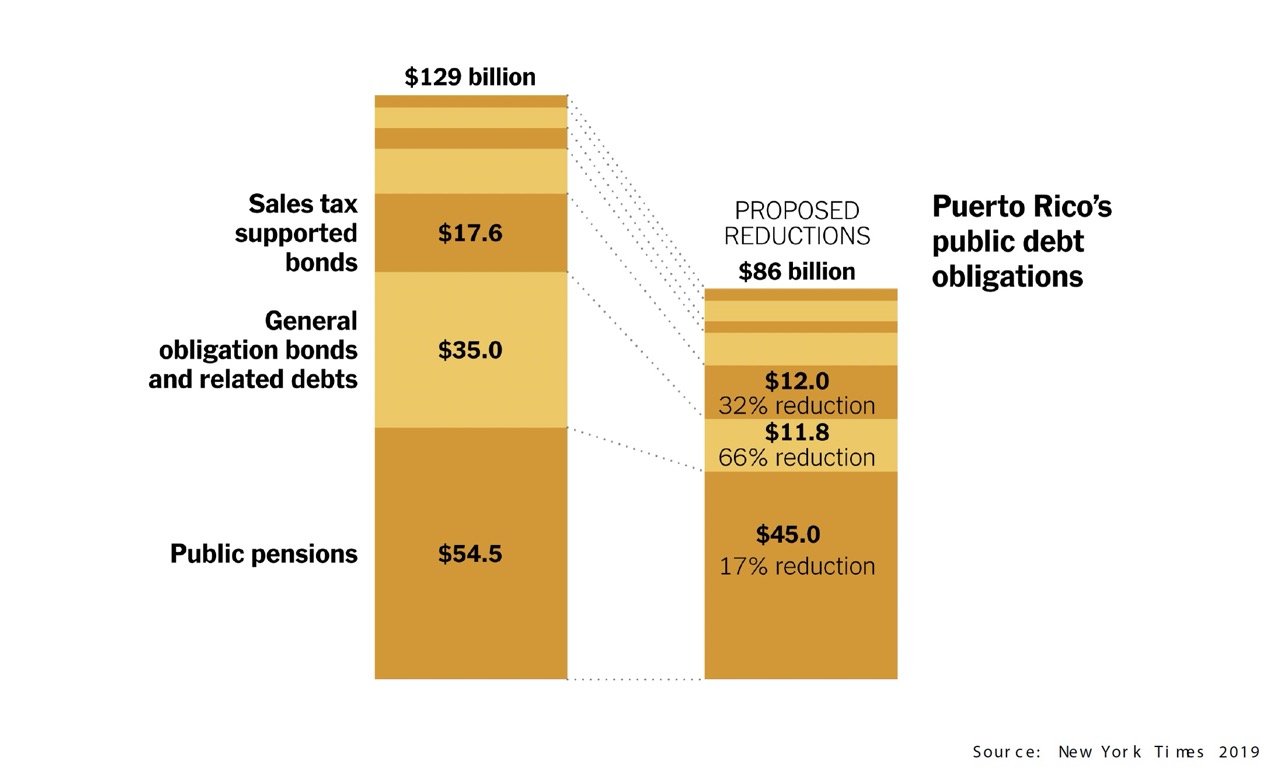
Though Puerto Rico is a U.S. Territory, it is not a state. That means that like Washington D.C., Puerto Rico does not control its own budget and cannot spend at a deficit in emergency situations. Instead, Puerto Rico, which is now in $129B in debt, is run by an independent fiscal control board which has implemented austerity measures to try to eat away at the debt.1\nWith a crumbling infrastructure and an economy in dire need of stimulus, these austerity measures worsen the impact of the multiple disasters facing the Puerto Rican people.\nThe territory is in the midst of bankruptcy proceedings, which if successful, would be the largest bankruptcy in US history