Turning a Creative Network into an Operating System


Vicarious began during the pandemic, when creative work was becoming less predictable and talented people in our network needed opportunities. We built a staffing agency around relationships we already trusted, with a more transparent economic model that gave talent a greater share of what clients paid.
Crown Social Agency developed the business alongside its brand identity, website, and communications. As the roster grew, so did our definition of creative talent. We began cataloging the independent creators and influencers whose work we admired, applying the same standards of art direction, technical ability, and creative judgment we used to evaluate designers, filmmakers, and other professionals.
That evolution eventually led us to build a more sophisticated talent-matching system, combining structured evaluation with the judgment that comes from knowing creative work firsthand. Vicarious became a working extension of our belief that finding the right people is as much a creative discipline as making the work itself.





Building a different kind of creative talent agency
It started with people we knew.
When the pandemic disrupted the creative industry in 2020, many of the independent designers, writers, producers, and filmmakers in our network found themselves facing an uncertain market.
Crown Social Agency had spent years working with talented people around the world. We knew their strengths, understood how they worked, and had relationships with companies that needed those skills.
There was an opportunity to connect the two more deliberately.
We established Vicarious as a separate creative staffing business, founded by Zach Huntting and Mary Warsinske. Its initial purpose was practical: help good people find work, make it easier for companies to find them, and create a more equitable arrangement than conventional staffing models typically offered.
Traditional staffing agencies generally earn their revenue through a markup on labor. That model can be perfectly legitimate, but the economics are often opaque to the people on either side of the transaction.
Vicarious adopted a different approach. We aimed to keep markups lower, direct more of the client's spending to talent, and make the arrangement transparent.
Our existing relationships gave the business its first clients, including Amazon, Providence, Danaher, Viome, and Intuitive Surgical.
Giving the business an identity of its own
Vicarious needed to appeal to creative professionals who were accustomed to judging the quality of a company by the quality of its work.
We developed a visual identity that owed little to the conventional language of recruitment firms.
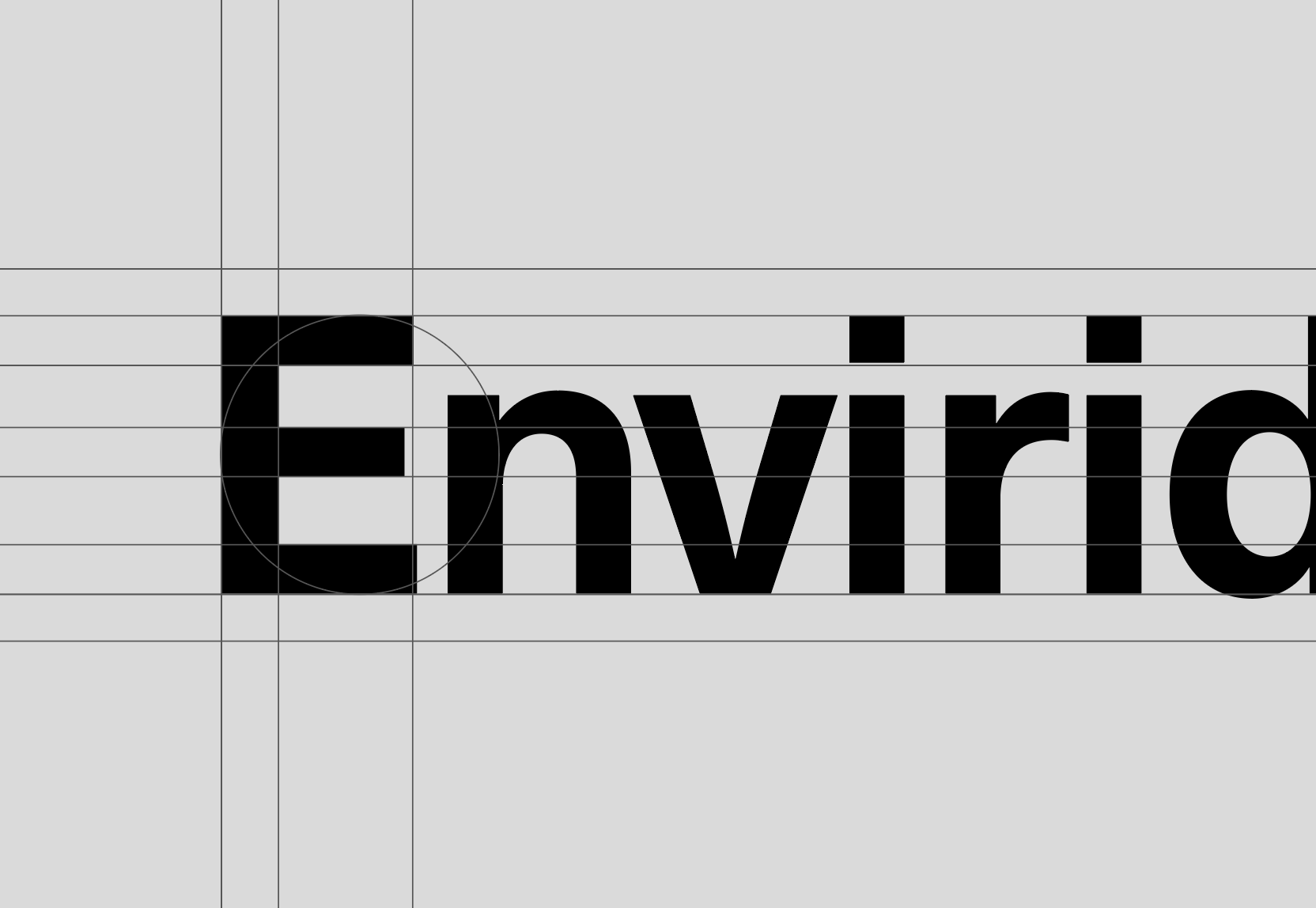
The staggered, multi-weight wordmark expressed variety without relying on literal illustrations of diversity. A flexible palette of saturated primary and secondary colors allowed the brand to change its appearance across applications. Motion, graphic composition, and deliberately unconventional messaging reinforced its creative orientation.
The website followed a similarly direct structure. Visitors could identify themselves through two simple paths: Find Creative or Find Work.
We also designed the materials needed to introduce the business to the market: social content, animated graphics, talent profiles, open-role announcements, and an editorial newsletter.
The newsletter became particularly useful. It gave us a way to introduce people through their work and personalities, rather than sending another list of qualifications. Short video introductions extended the same idea, allowing prospective clients to get a sense of someone before arranging a meeting.
The roster began to change
As Vicarious developed, we started using its infrastructure for another purpose.
Crown Social had always maintained an informal network of independent creators whose photography, films, styling, design, or art direction we admired. Some had substantial audiences. Others were relatively unknown.
We began adding those people to the same talent universe.
The distinction between a creative professional and a content creator had never seemed especially useful to us. A photographer with 800 followers and a photographer with 800,000 followers might possess comparable artistic skills. The second also brings an established distribution channel.
Audience size mattered for certain assignments, but it was an additional attribute rather than the basis of our creative evaluation.
That perspective allowed Vicarious to grow beyond conventional staffing. The same network could support an embedded designer, a freelance filmmaker, a creator-led campaign, or the assembly of a larger production team.
It also exposed a limitation. As the network expanded, personal familiarity could no longer be the only way to understand everyone in it.
Turning creative judgment into a more useful system
Traditional recruitment relies heavily on resumes, job titles, interviews, and previous employers. Those inputs are useful, but they leave out a great deal of what determines whether someone will succeed in a creative role.
We were interested in the evidence people leave through their actual work.
How do they compose an image? What influences shape their style? How consistently do they execute? Can they handle feedback? Do they understand the technical demands of their discipline? What happens when they work with other people?
Vicarious developed a talent evaluation approach built around three functions: categorization, grading, and matchmaking.
Categorization allows us to describe talent through disciplines, capabilities, and visual characteristics that extend beyond conventional job titles.
Grading considers evidence accumulated through work samples, communication, collaboration, and ongoing relationships.
Matchmaking connects those observations to the particular requirements of a client or project, rather than treating every assignment as a search for the same ideal candidate.
We subsequently developed algorithmic tools to help organize and assess these signals. The goal was to make a growing body of knowledge about creative talent easier to search, compare, and apply.
Human judgment remains central. Software can help identify patterns and narrow a search. Understanding whether someone's artistic sensibility belongs on a particular project still requires people who know the work and the context in which it will appear.
What Vicarious became
Vicarious began with the immediate needs of a disrupted creative workforce. It developed into an independent talent practice serving businesses across creative staffing, production, and creator representation.
The business also gave Crown Social Agency a more deliberate way to manage a resource that had always been central to our work: the people we choose to work with.
Its initial brand identity, website, newsletter, and social formats established the public-facing business. The later development of structured talent evaluation extended that original investment into the way Vicarious operates.
There are no comprehensive historical marketing figures available to attribute placements or revenue growth to the launch campaign. The documented result is the establishment of a functioning talent practice, an expanding range of disciplines, and the development of tools to support increasingly varied assignments.
The original premise remains intact. Creative ability should be evaluated through the work people make, the judgment they demonstrate, and the way they collaborate. A conventional resume captures only part of that picture.
What the work taught us
Vicarious had a genuine point of view on creative labor, equity, and industry structure, but limited production capacity to express it consistently. The newsletter and social content that performed best went furthest into editorial territory. Content that defaulted to a roster showcase without additional framing was less effective.
The lesson was not to publish more. It was to make every publishing moment carry more meaning. For a two-sided business, each piece needed to serve talent or clients deliberately while reinforcing the same structural argument. Social could not manufacture trust, but it could make the choices behind the business visible often enough to earn it.
Vicarious established the system. Sustaining the position required the same discipline as the launch: a clear point of view, human proof, and a useful next step.
Captions
When the pandemic hit, creative work dried up.
But we knew a lot of talented people.
And we knew companies that needed them.
So we started Vicarious.
A creative staffing agency built around people we trusted.
With lower markups, more transparent economics, and a better deal for talent.
First, we gave it an identity.
A staggered wordmark. Punchy colors. Plenty of attitude.
We designed the website, social content, motion graphics, and launch materials.
Two audiences. Two clear paths: Find Creative and Find Work.
Newsletters introduced the people behind the portfolios.
Video profiles gave clients a better sense of who they might hire.
Then our roster started getting more interesting.
We began adding photographers, filmmakers, artists, and influencers we admired.
Some had small audiences. Others had hundreds of thousands of followers.
Influencers. Creators. To us, they are all creatives.
An audience was simply another capability they might bring to a project.
As the network grew, we needed a better way to organize what we knew.
So we developed a talent evaluation and matching system.
Categorizing skills, studying creative work, and tracking how people actually perform.
Technology helped us make sense of a larger roster.
Our creative judgment still determined who belonged on the job.
What began as a way to keep our network working became a broader talent practice.
One that continues to connect brands with the people who make their work possible.